


Capital Investment
Between fiscal years 2025 and 2028, approximately $4.4 billion is planned in capital spending by Johns Hopkins across Baltimore. More than physical upgrades, these projects are foundational to Johns Hopkins academic and healthcare missions, and reflect a broader commitment to local job creation, neighborhood revitalization, and long-term community impact.

Transformative Impact
Johns Hopkins has helped to transform neighborhoods near its East Baltimore and Homewood campuses, maintaining and restoring millions of square feet of space that help to revitalize communities.
Investing in Charles Village
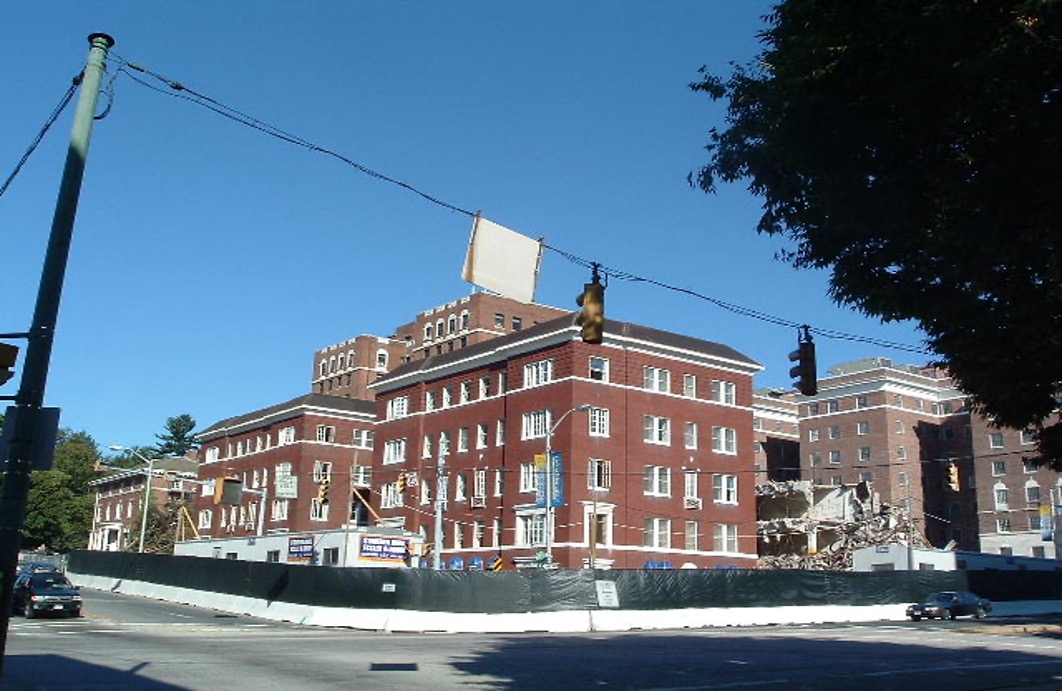
Before
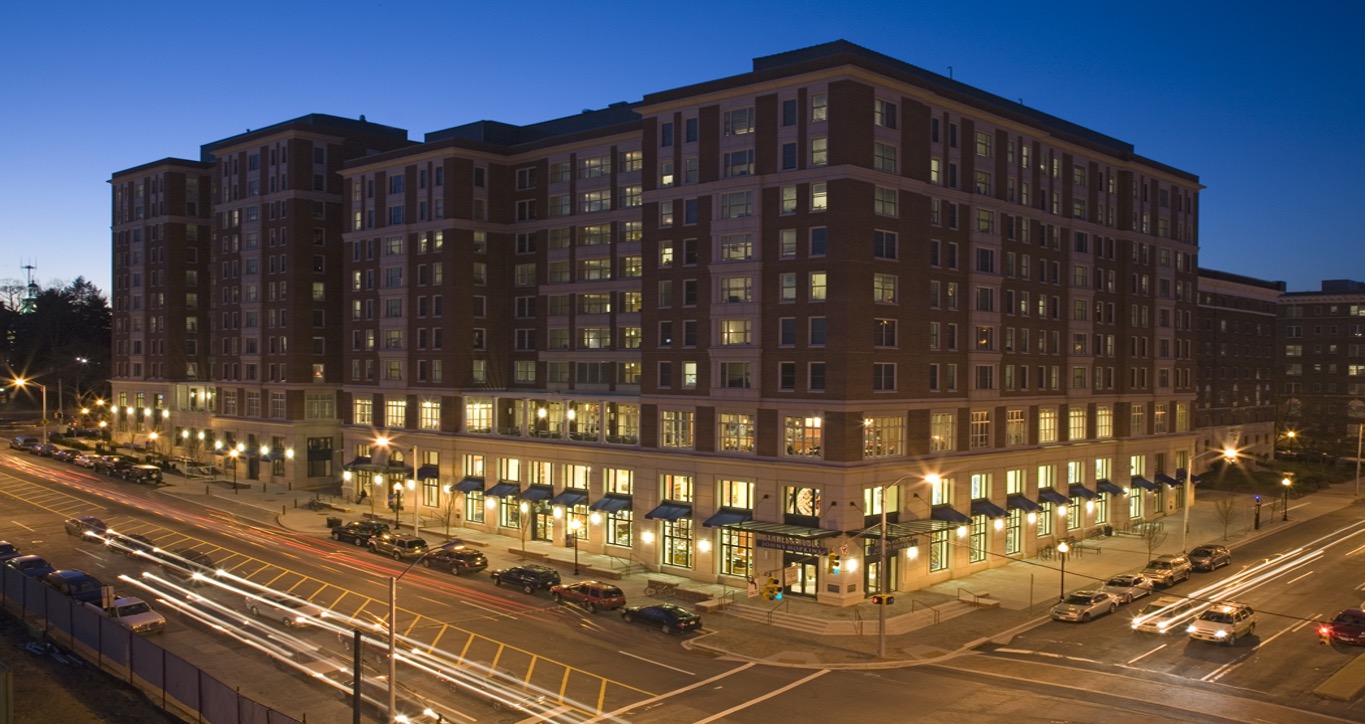
After
Johns Hopkins University’s redevelopment efforts in Charles Village have added nearly 1,200 student housing beds as well as approximately 70,000 square feet of new retail space – including the transformative work at 33rd and St. Paul streets (pictured above). In addition, in 2024, The Study at Johns Hopkins opened as a new boutique hotel in a restored, century-old apartment building across from the new Bloomberg Student Center.
Investing in East Baltimore
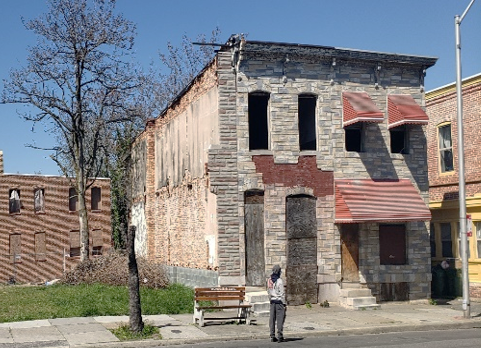
Before
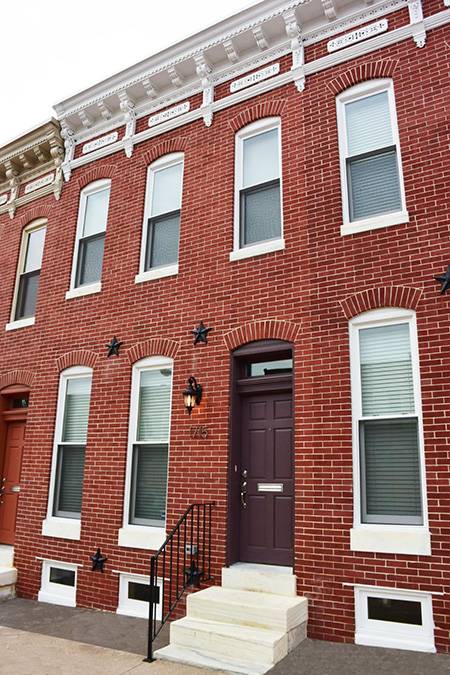
After
Johns Hopkins has been a partner for more than two decades with city and state government agencies and other nonprofits in the East Baltimore Development Inc. project, which has transformed 88 acres north of Johns Hopkins Hospital into a thriving, inclusive community. There are now more than 1,000 Eager Park residents, more than 240 new and rehabbed affordable and market-rate homes for sale, more than 530 affordable and market rate rental units, 1 million square feet of commercial, lab and retail space, and 2,100 new homes on the horizon.
Investing In Remington

Before

After
Johns Hopkins has helped spur new development throughout the Remington neighborhood to the west of Homewood Campus. It opened a 50,000 square foot FastForward innovation hub in the Stieff Silver building in 2013; in 2015 Johns Hopkins Community Physicians became a key anchor tenant for the Remington Row project at 2700 Remington Avenue, leased more than 10,000 square feet of space in R. House and established 22,000 square feet at 3001 Remington Ave. for a public safety facility.
Economic Catalyst
Capital investments by Johns Hopkins further catalyze long-term growth and neighborhood revitalization. Capital projects in Baltimore support more than 7,000 jobs annually in the city and strengthen key innovation corridors by attracting additional public and private investment.
Growing With Hopkins
Cheo Hurley, president of THG Companies, has parlayed his experience and connections with Hopkins into about $6 million in Hopkins-related contracts, deals that allow him to pay his workers a living wage and should help him grow into a prime contractor. “We work here on the campus, we work at the hospital, we work at [the Applied Physics Laboratory],” Hurley said. “We need encouragement, we need help, we need cash flow, we need contracts, we need all these things, and I’m glad to see Johns Hopkins” provide that.

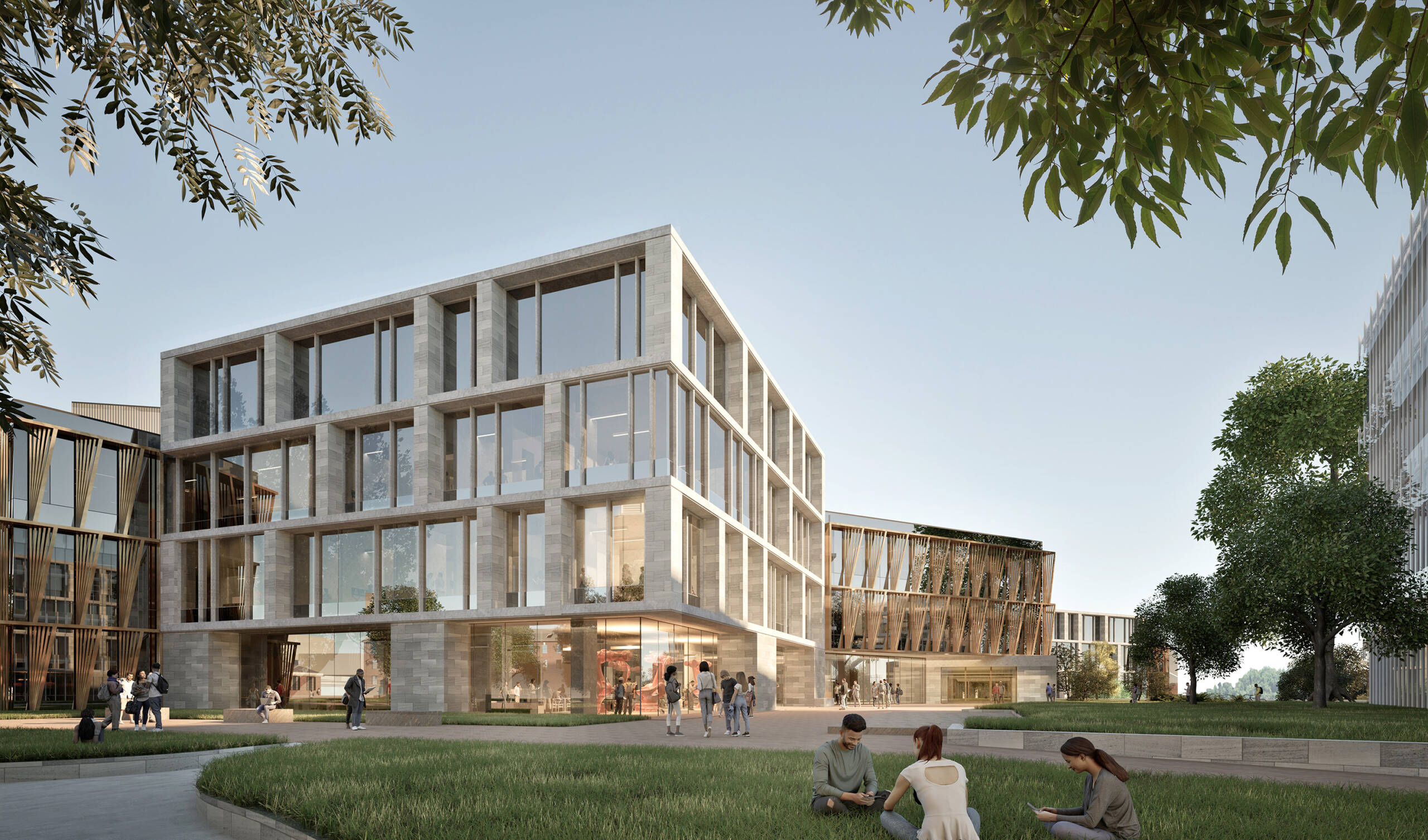
Data Science and Artificial Intelligence Institute
The DSAI Institute planned for Homewood campus is expected to generate nearly $2 billion in economic benefits for Baltimore and Maryland during its preconstruction and construction phases from 2024-2029, including nearly 11,000 direct and indirect jobs, mostly in the city.
Leveraging Role as Anchor Institution
Since 2021, Johns Hopkins University has participated in the Maryland Department of Housing & Community Development (DHCD) SEED Community Development Anchor Institution Program to support community development projects adjacent to the East Baltimore, Peabody and Homewood campuses. The university has managed 16 SEED grants totaling $6.9 million which supports $73.5 million in total project costs.

